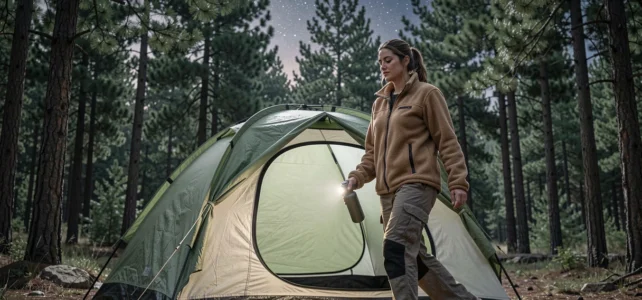
Waking up in the middle of the night with a pressing need, several meters away from sanitation facilities or in the great outdoors without any infrastructure, is part of the camping reality that few guides address directly. Urinating at night while camping raises concrete questions about thermal comfort, hygiene, environmental respect, and sometimes safety.
Why the bladder is more active at night while camping
The cold is the primary factor. When body temperature drops, the body reduces blood flow to the extremities and concentrates blood towards the central organs. The kidneys then filter a larger volume, which accelerates the filling of the bladder.
Evening hydration also plays a direct role. After a hike or an active day, the natural tendency is to drink plenty in the evening. Reducing liquid intake one to two hours before bedtime limits nighttime awakenings without risking dehydration.
The stress related to an unfamiliar environment, noise, residual light, or the discomfort of the sleeping bag disrupts sleep cycles. Lighter sleep makes every signal from the bladder more noticeable, where it would go unnoticed in a regular bed.
To delve deeper into this topic, you can read the tips on Touriste that detail several methods suited to different situations.
Portable urinal and dedicated bottle: gear that changes the night in a tent
The most common solution among experienced hikers and campers remains the dedicated container, used directly under the awning or in the vestibule of the tent. This avoids having to get dressed, exit the sleeping bag, and expose oneself to the cold or humidity.
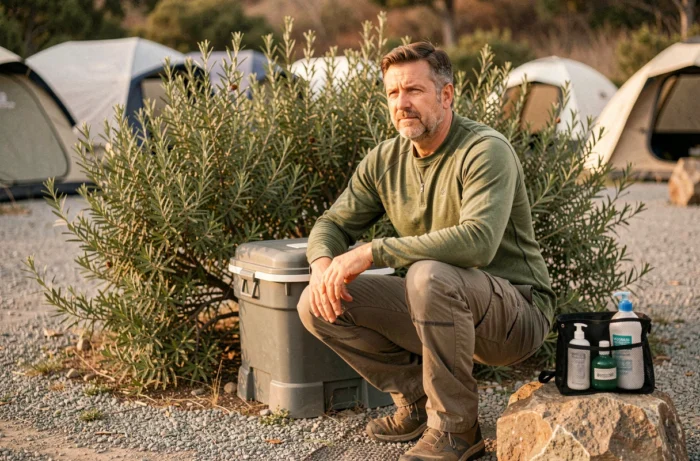
The choice of container depends on the context and the user’s gender. Several options exist:
- A wide-mouth bottle (like Nalgene), lightweight and leak-proof, that closes immediately. The wide mouth is a non-negotiable criterion to avoid accidents in the dark.
- A flexible portable urinal, designed for both sexes, with an ergonomic spout and a disposable or emptyable waterproof bag. These devices weigh a few dozen grams.
- A bucket or collapsible basin, more suitable for car camping or under an awning, which offers more stability and capacity.
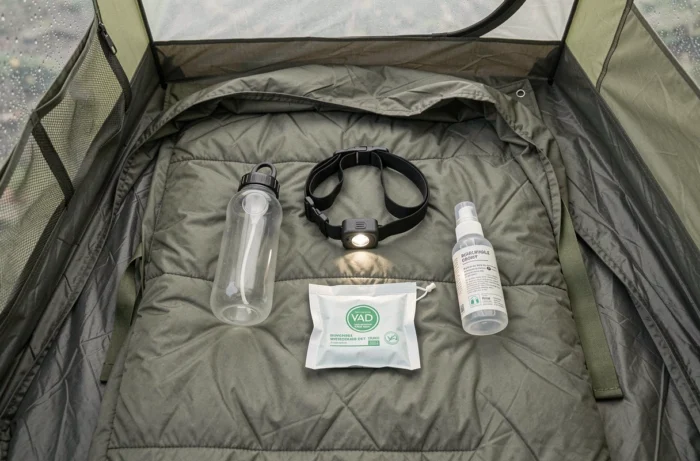
In all cases, the container must be clearly identifiable by touch and stored in the same place every evening. Using a headlamp in red mode preserves night vision and limits disturbance to tent neighbors.
The standing urination option for women
Accessories like standing urinals (urinary funnels) have become widely popular. They allow women to urinate in a bottle without undressing. Field feedback varies on comfort of use depending on the models: some require practice before using them in real conditions, at night, in a confined space.
Testing the device at home, under the shower for example, before leaving for camping remains the most frequent recommendation on specialized forums.
Urinating outside at night: distance, environmental impact, and sensitive areas
When the container is not an option or the camper prefers to go outside, a few rules limit the impact on the environment and other users of the site.
Urinating at least 60 meters away from watercourses, lakes, and springs is a commonly cited threshold in outdoor practice guides. Urine contains nitrogen and mineral salts that, in concentration, disrupt aquatic wildlife and water quality.
In high-traffic areas or fragile ecosystems (peat bogs, alpine zones), urine is not neutral. Some parks impose explicit disposal rules outside designated areas, with fines as a consequence. Checking the local regulations of the park or camping area before departure avoids unpleasant surprises.
Camping in bear country: adapting the nighttime routine
In North America or certain European areas where there is a bear risk, nighttime outings require specific preparation. Recent recommendations emphasize a often overlooked point: do not keep odorous items in the tent (food, cosmetics, cooking clothes).
Keeping a headlamp and bear spray within immediate reach is part of the protocol. The goal is to maintain a nighttime routine that does not create attractive odors around the sleeping area, including when moving to urinate.
Preparing your sleeping area to limit nighttime awakenings
Even before the question of the container or going outside, the arrangement of the sleeping area directly influences the frequency of awakenings related to the bladder.
- Insulating the ground with a mattress suitable for the season: a mattress with a high R-value reduces heat loss through the ground, thus the physiological response that accelerates urine production.
- Wearing dry and warm clothes to sleep, distinct from those worn during the day, keeps body temperature stable.
- Positioning the tent out of the wind and, if possible, on slightly elevated ground to avoid the accumulation of cold moisture.
A sleeping bag with a comfort temperature that truly matches the night conditions (and not just the limit temperature) contributes to deeper sleep. Deep sleep mechanically reduces the perception of bladder signals.
The location of the container or shoes for going outside should be decided before turning off the lights. Searching for belongings in the dark, half-awake, turns a two-minute break into a complete awakening that is difficult to fall back asleep from.
Anticipation remains the guiding principle of all these approaches. A camper who has tested their gear, surveyed their environment, and organized their sleeping area before nightfall sleeps better, wakes up less, and when they do wake up, manages the situation in a few moments without stress or real discomfort.