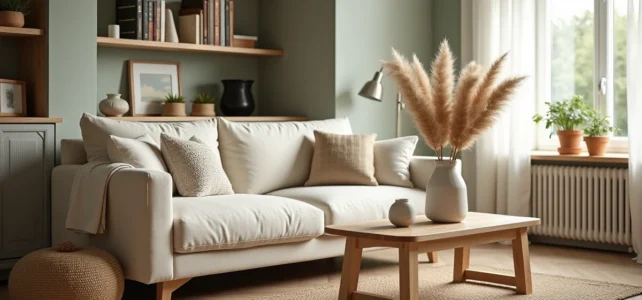
The decoration trends for 2026 are structured around a return to objects rich in history and a deliberate simplicity in design choices. Two underlying movements are reshaping interiors: the Heritage style, which draws from memories of family homes, and slow decor, which prioritizes quality over quantity. These orientations change the way each room is conceived, from the floor to the walls, including the choice of materials.
Slow decor: decorate less but better, room by room
Slow decor is not just about a small budget or quick DIY projects. The principle is based on a slower purchasing rhythm, a selection of meaningful pieces, and a focus on the durability of each element. A sofa kept for ten years because it was chosen with care replaces the logic of seasonal renewal.
In practical terms, this approach alters the decisions made when renovating or redecorating. Rather than changing the entirety of a bedroom or living room, slow decor encourages replacing just one key element: a light fixture, a rug, a flooring material. The rest evolves gradually, without haste.
This type of inspiration is regularly found in the home section on Le Blog de Coco, which explores concrete ideas for transforming an interior without rethinking everything at once.
A common pitfall: confusing simplicity with emptiness. A slow decor interior is not stripped bare. Every visible object has a reason for being there, whether functional or sentimental. This is the difference from strict minimalism, which seeks reduction for its own sake.
Heritage style: when the interior tells a personal story
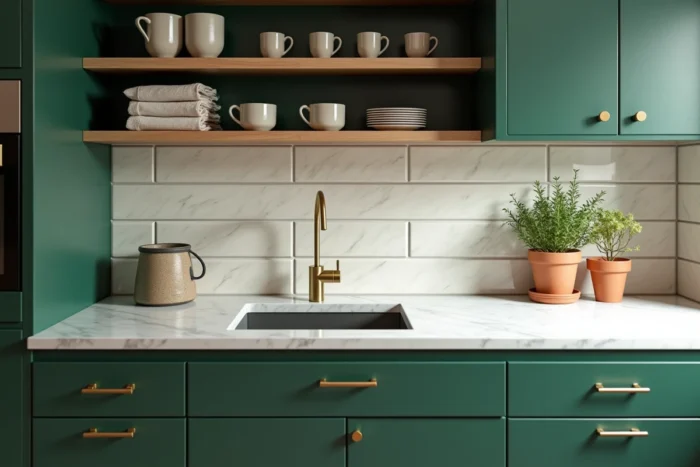
Heritage style is one of the most striking orientations of 2026. It is a conscious return to family homes, childhood memories, and objects steeped in history. This trend counterbalances the overly neutral and impersonal interiors that have dominated in recent years.
In practice, Heritage style translates into specific choices:
- Reintroduction of antique or thrifted furniture into contemporary spaces, without aiming for a uniform decor
- Mixing classic patterned wallpaper with current design elements, for example in a bedroom or dining room
- Highlighting personal items (frames, ceramics, heirloom textiles) as true decorative pieces
The emotional authenticity of this interior cannot be created with a single online order. It requires a process of selection, sometimes restoration, and an acceptance of imperfection. An old floor with its signs of wear has more character than a perfectly smooth new laminate floor.
Biophilic decor in apartments: beyond green plants
Since 2024, biophilic decor has been gaining significant traction in urban apartments. The term refers to the intentional integration of natural elements into living spaces to enhance daily well-being. Inspirational articles often speak vaguely of “nature,” but biophilia goes beyond just having a ficus in the corner of the living room.
Three concrete levers define a biophilic interior:
- Optimizing natural light through the choice of wall colors (light paint, neutral tones) and clearing openings
- Using natural fibers on tactile surfaces: linen for curtains, wool for rugs, rattan or raw wood for furniture
- Structured plant presence, not just decorative, with living walls or large plants that genuinely alter the perception of space
A common mistake is to multiply plants without rethinking the room around them. A biophilic interior is conceived from the choice of flooring and paint, not by adding pots afterward. A light wood floor combined with earthy tones on the walls creates a coherent base where plant elements make complete sense.
Trendy colors and materials for homes in 2026: earthy palette dominates
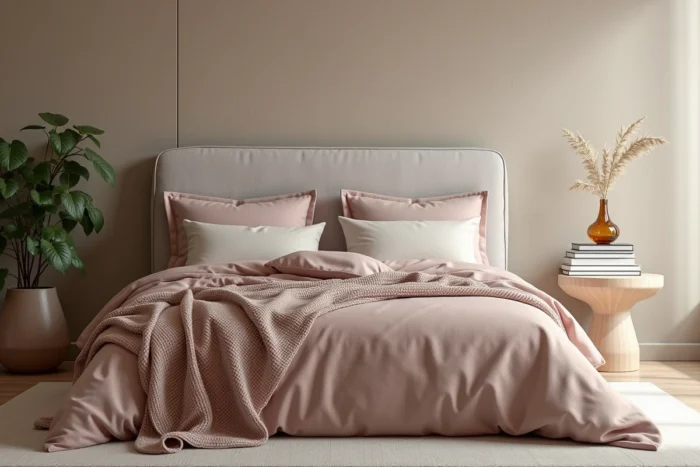
This year’s palette extends the shift towards warm and enveloping shades. Mocha Mousse, the Pantone color that marked 2025, has paved the way for a broader chromatic family: terracotta, brown, ochre. These warm, earthy colors are set against a base of neutral tones to avoid visual saturation.
The choice of wall paint remains the quickest transformation lever for a room. A bedroom repainted in a soft brown, an accent wall in terracotta in a living room, or a subtle ochre in a kitchen is enough to anchor an interior in the trend without heavy renovations.
In terms of materials, the return of raw textures confirms the trend: handcrafted ceramics, unvarnished wood, brushed brass. These materials naturally interact with the earthy palette. Wallpaper with organic or geometric patterns is also making a comeback, particularly in bedrooms and bathrooms, where it creates a bold design effect on a single wall.
Three styles dominate the season: Scandinavian in its warmer version (less cold, more textured), vintage tinged with Art Deco, and bohemian chic refocused on natural materials. These three currents share a common rejection of disposable decor and a preference for pieces that age well.
The common thread among all these trends can be summed up in one word: intention. Whether the choice is for a complete renovation of the floor, a simple change of light fixture, or the restoration of a family piece, it is the coherence between material, color, and daily use of the room that distinguishes a well-designed interior from a soulless catalog.